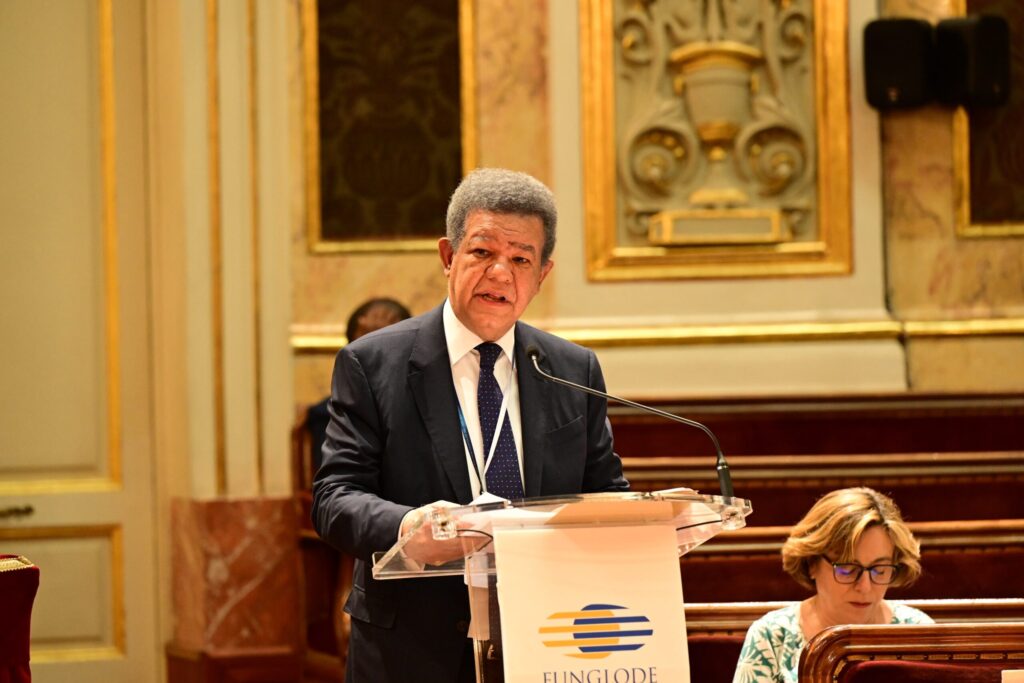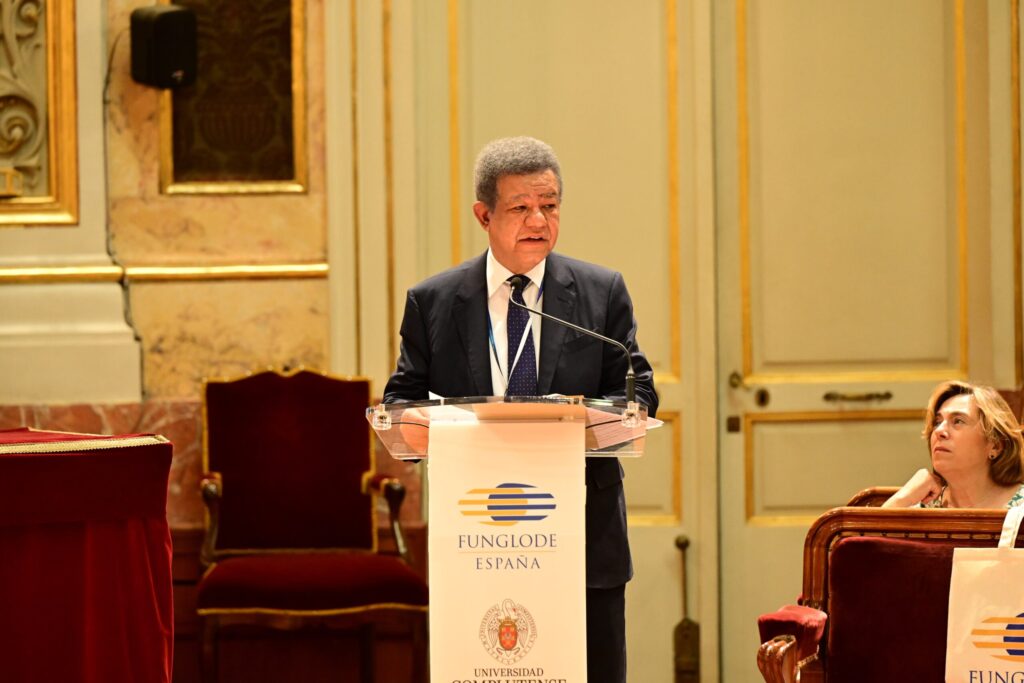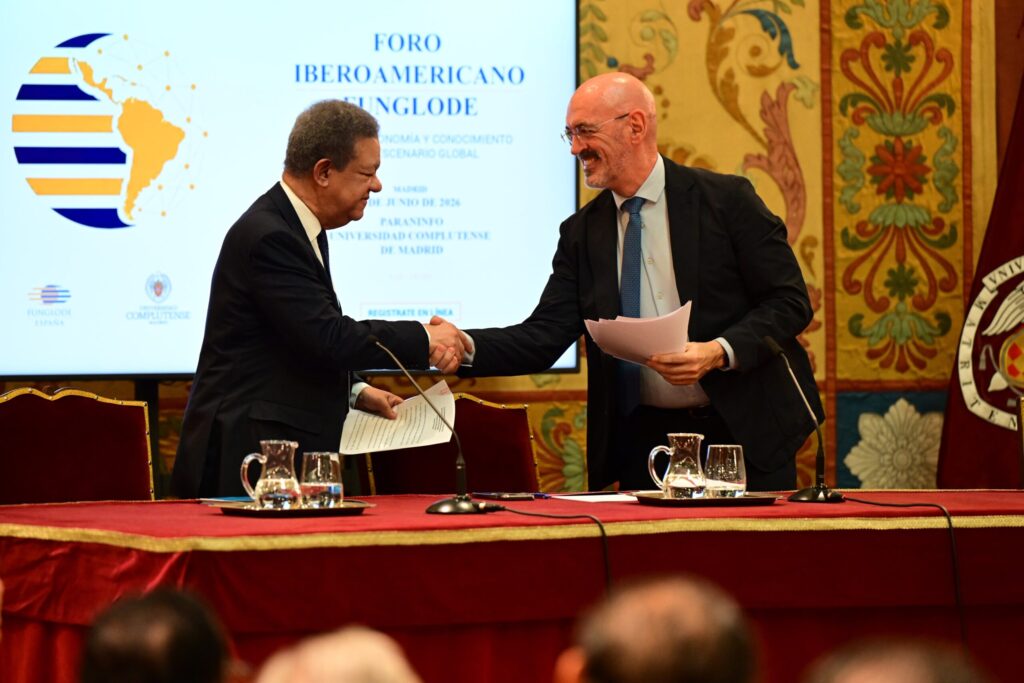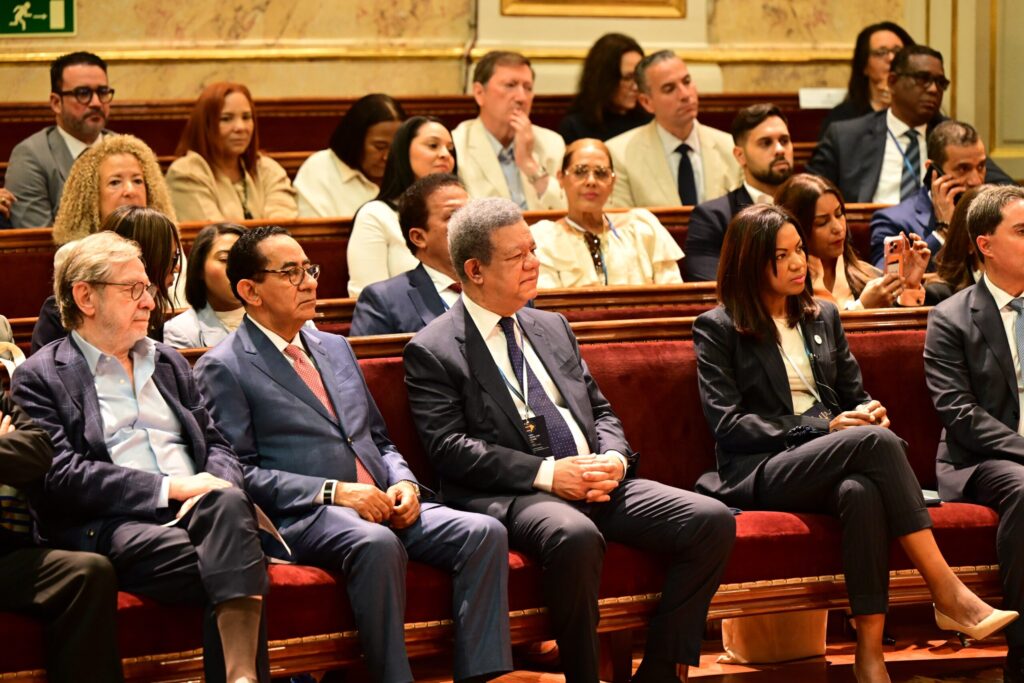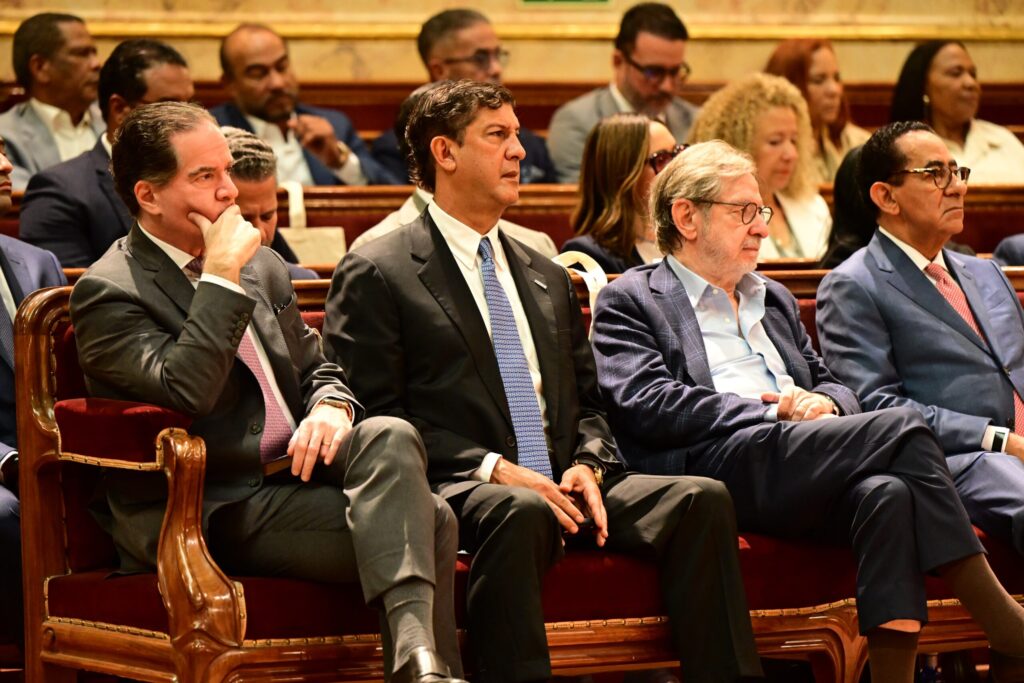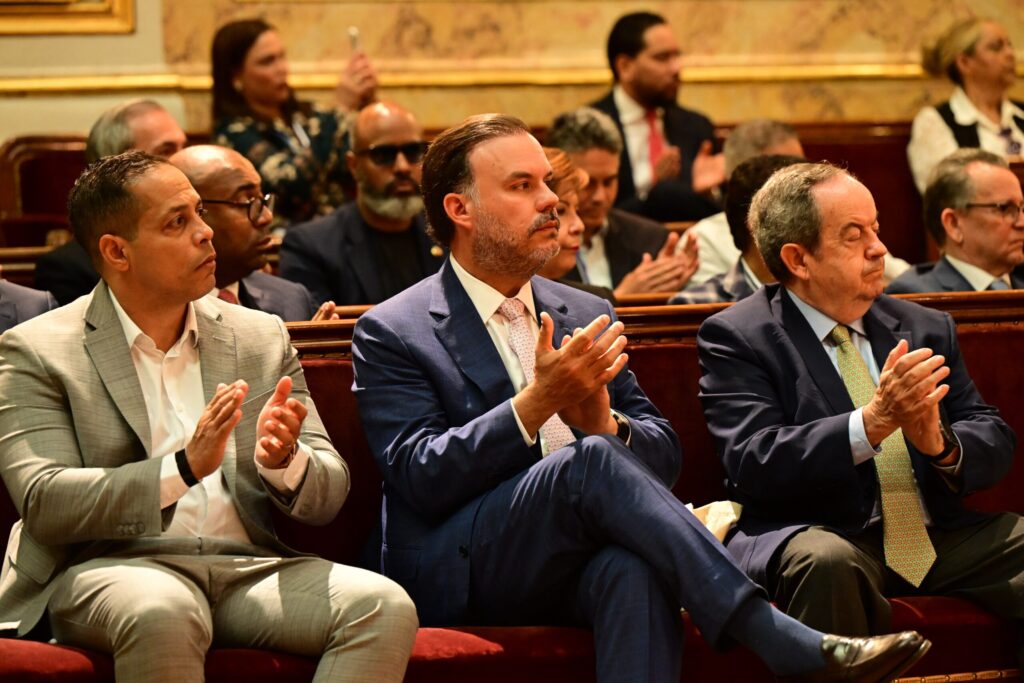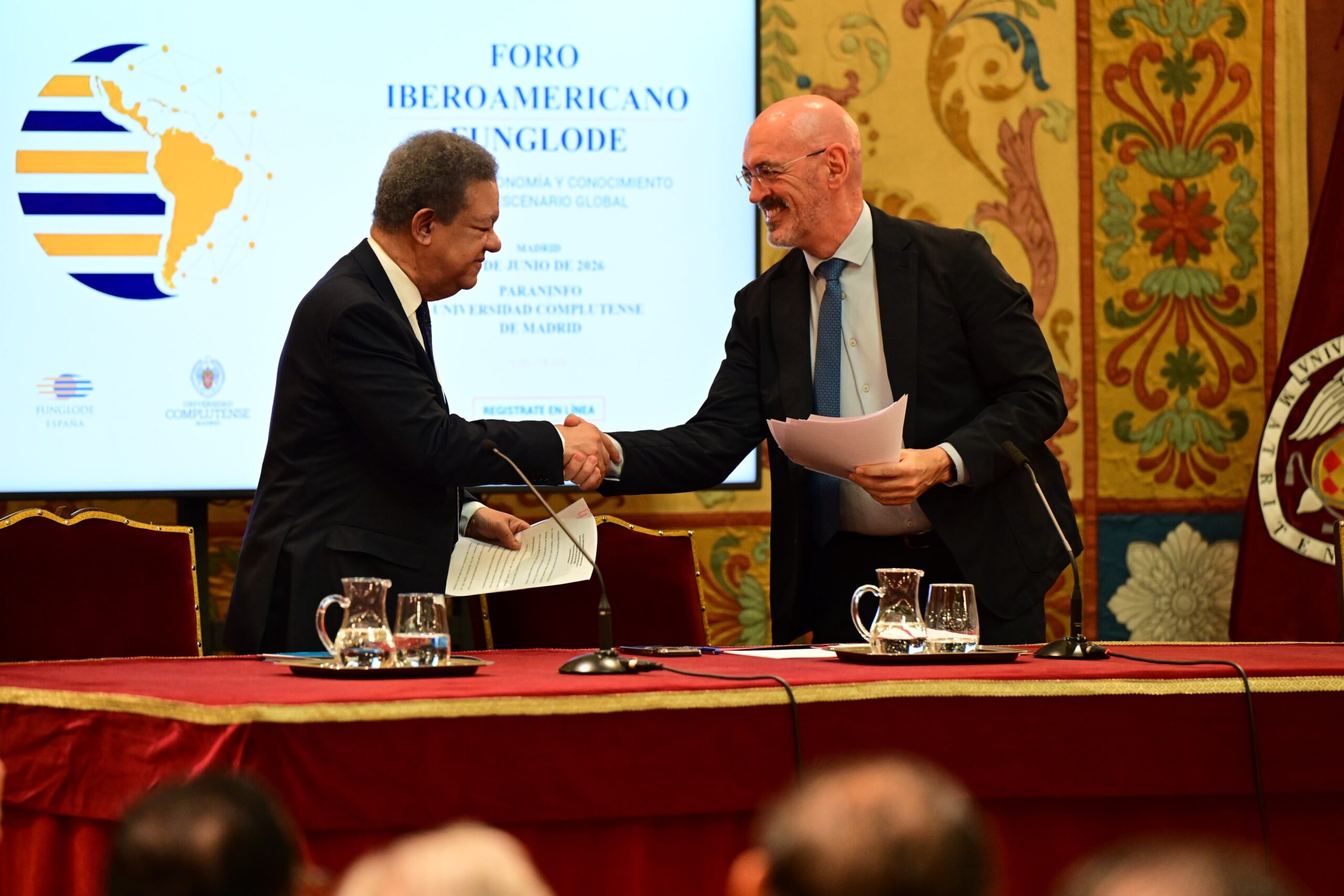

Madrid, June 8, 2026 – During the opening of the GFDD Ibero-American Forum, former President of the Dominican Republic Leonel Fernández warned that Latin America’s greatest challenge is to move beyond an extractive economic model and advance toward an economy based on knowledge, innovation, and value creation. In a global context marked by profound transformations, he argued that the region must embrace digital transformation and artificial intelligence as strategic drivers of development or risk falling behind in the emerging international landscape.
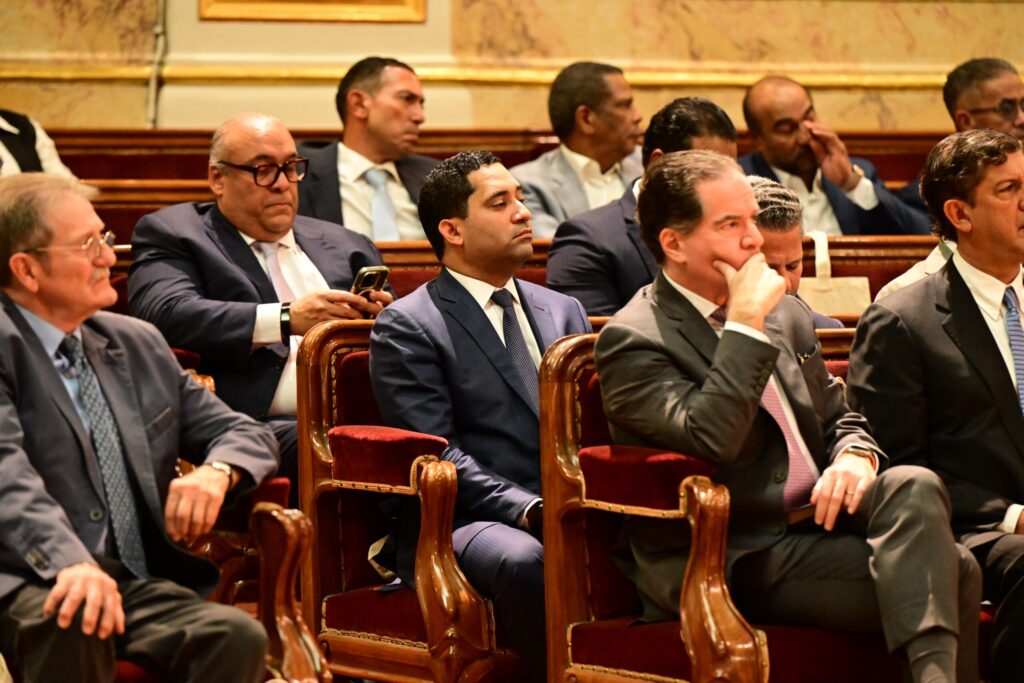
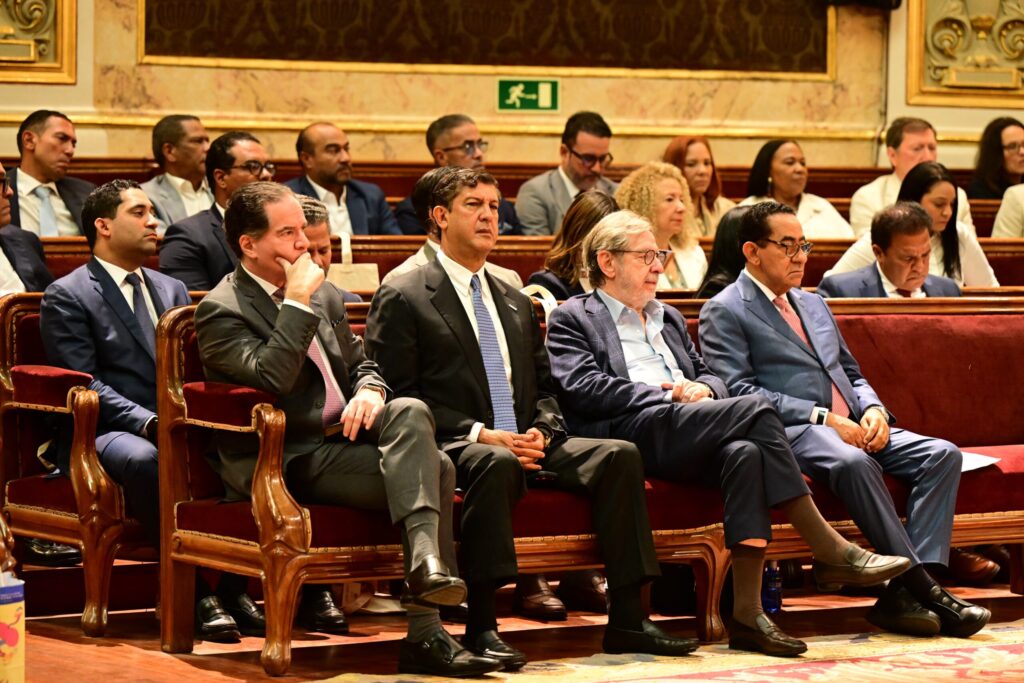
The remarks were delivered during the inaugural session of the GFDD Ibero-American Forum, held at the Complutense University of Madrid and organized by the Global Foundation for Democracy and Development (GFDD), through GFDD Spain, in collaboration with the university. The event brought together academic authorities, institutional representatives, business leaders, researchers, diplomats, journalists, students, and professionals interested in strengthening ties among Europe, the Dominican Republic, and Latin America.
In his address, Fernández emphasized that the world is undergoing a period of profound change, characterized by the transition toward a more complex and interconnected multipolar international system. In this context, he stated that Ibero-America cannot remain a passive observer of global decisions but must instead assume an active and strategic role.
On the economic front, he stressed the need to transform the region’s productive structures, which have traditionally depended on the export of raw materials, into a model grounded in knowledge, technology, and innovation. He noted that digital transformation and artificial intelligence are already shaping the present and warned that the digital divide has become a new form of social exclusion.
Fernández also underscored the urgency of building stronger alliances among academia, the private sector, and government institutions to foster research, drive innovation, and design effective public policies. He argued that the region’s sustainable development will depend on its ability to generate knowledge, cultivate talent, and translate ideas into concrete solutions.
The former Dominican president further highlighted that the forum’s objective is to move beyond theoretical reflection and advance practical initiatives that contribute to the development of Ibero-America, in line with the historical agenda of regional cooperation. In this regard, he proposed strengthening the Ibero-American knowledge space and promoting academic mobility, investment, and economic cooperation across both sides of the Atlantic.
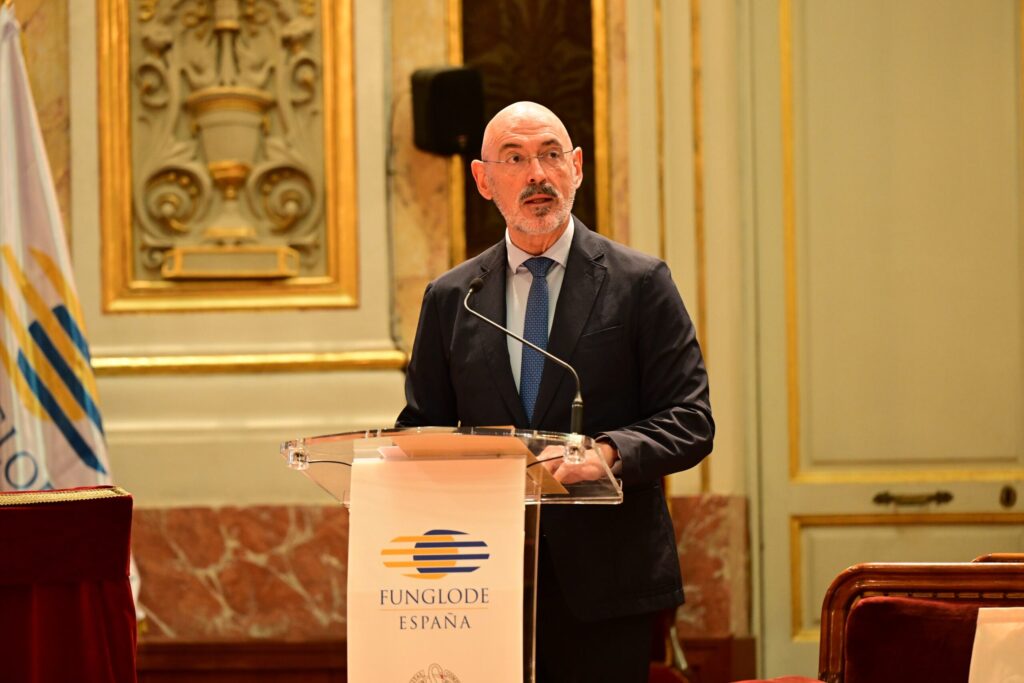
For his part, Joaquín Goyache Goñi, Rector of the Complutense University of Madrid, emphasized the importance of holding the event at a time when knowledge, scientific evidence, and multilateralism face increasing challenges. He noted that universities play a fundamental role in fostering critical thinking, generating research, and building international cooperation networks.
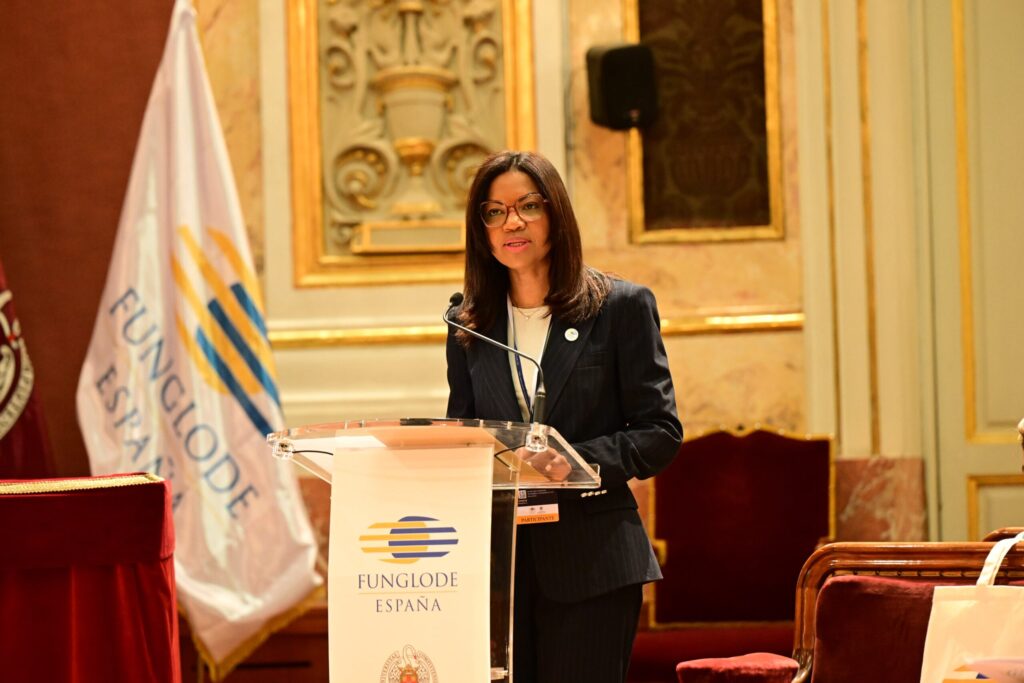
Ynés Vargas, Director of GFDD Spain, highlighted that the forum reflects the institution’s commitment to strengthening academic, cultural, and institutional ties among Spain, the Dominican Republic, and the broader Ibero-American community. She noted that the organization has launched more than 40 initiatives in less than two years aimed at promoting dialogue and international cooperation.
The keynote address was delivered by Mariano Jabonero, Secretary-General of the Organization of Ibero-American States (OEI), who discussed the challenges facing the Ibero-American Community in an international environment marked by geopolitical tensions, economic uncertainty, and weakening cooperation mechanisms.
The first panel, titled “Ibero-America in the Global Geopolitical Landscape,” examined challenges related to democracy, electoral processes, and political polarization. Participants included Trinidad Jiménez, Miguel Ballenilla, and Vicente Palacio, who agreed on the need for Latin America to play a more influential role in the emerging international order.
The second panel, “Ibero-America: Demography, Social and Cultural Economy,” featured a keynote lecture by Santiago Muñoz Machado, Director of the Royal Spanish Academy, who emphasized the role of language as a unifying element within the Ibero-American space. Claudia Finotelli and Ramona Hernández also participated, addressing issues related to migration, integration, and the role of the diaspora.
The forum’s program also included panels on academic cooperation and on economics, business, innovation, and technology, all aimed at analyzing opportunities for development and regional integration.
With this inaugural edition, the GFDD Ibero-American Forum has established itself as a platform for dialogue focused on generating concrete solutions to the major challenges facing the region. The event’s central message emphasized that the future of Ibero-America will depend on its ability to transform its economic model, strengthen cooperation, and position itself as a relevant actor on the global stage.