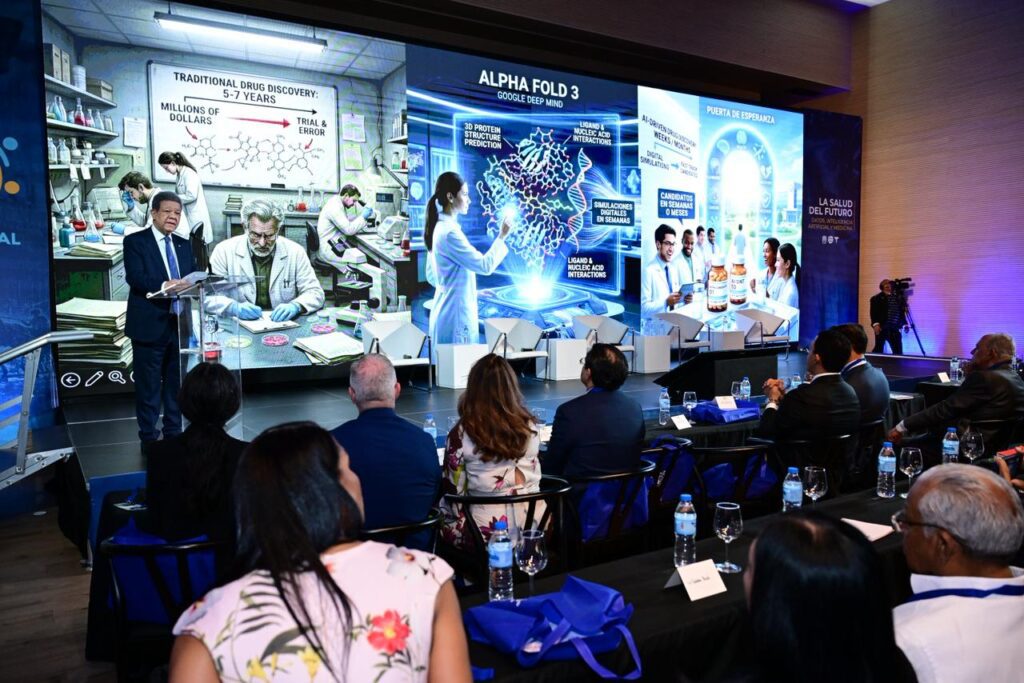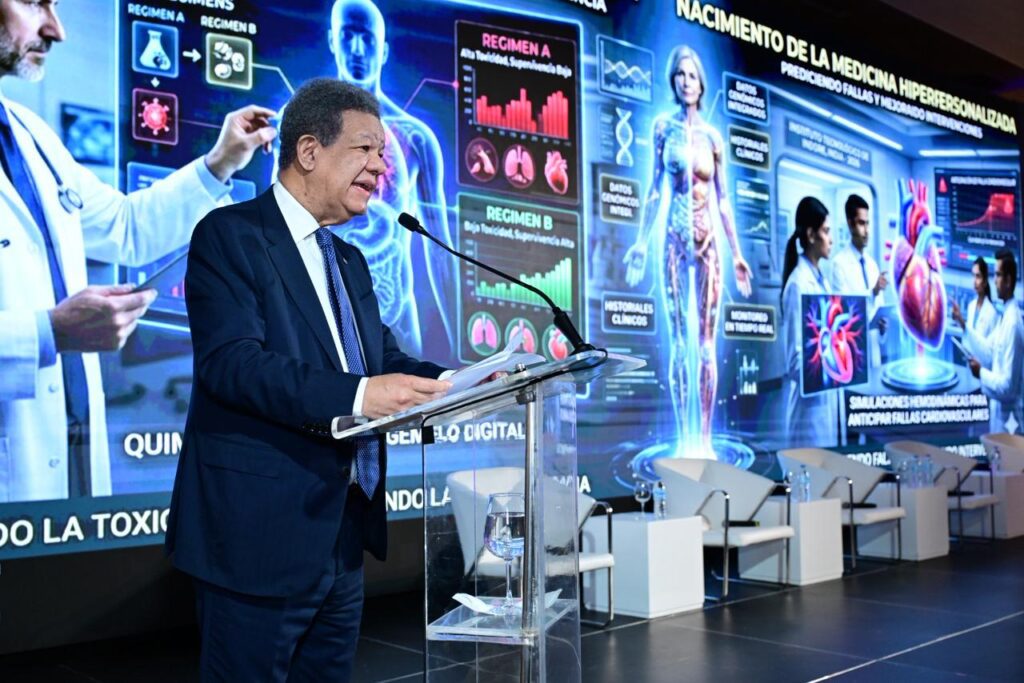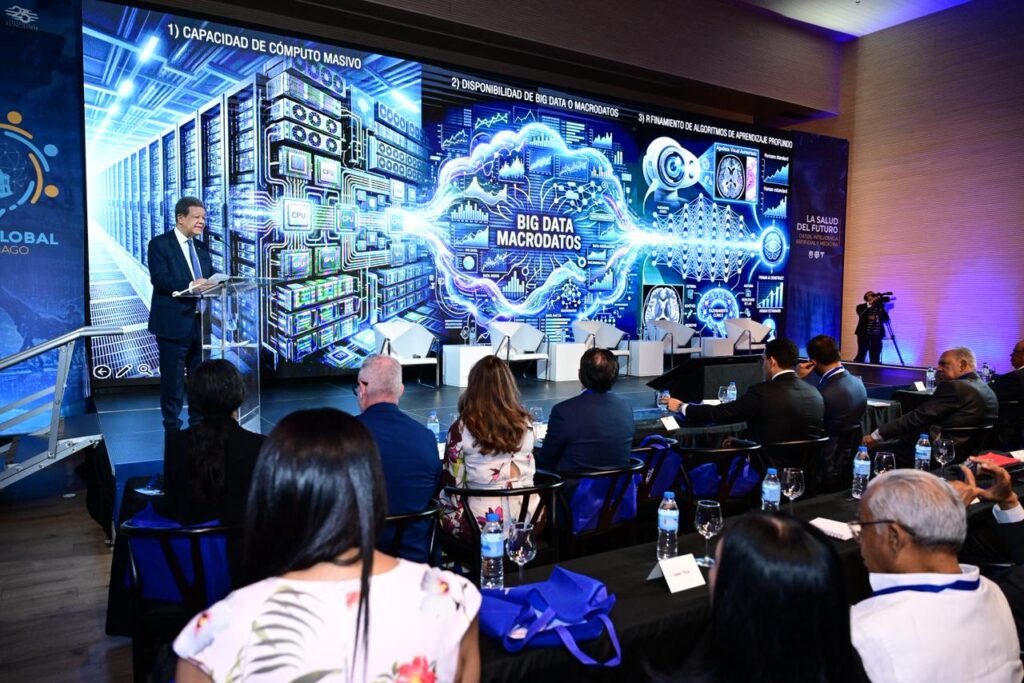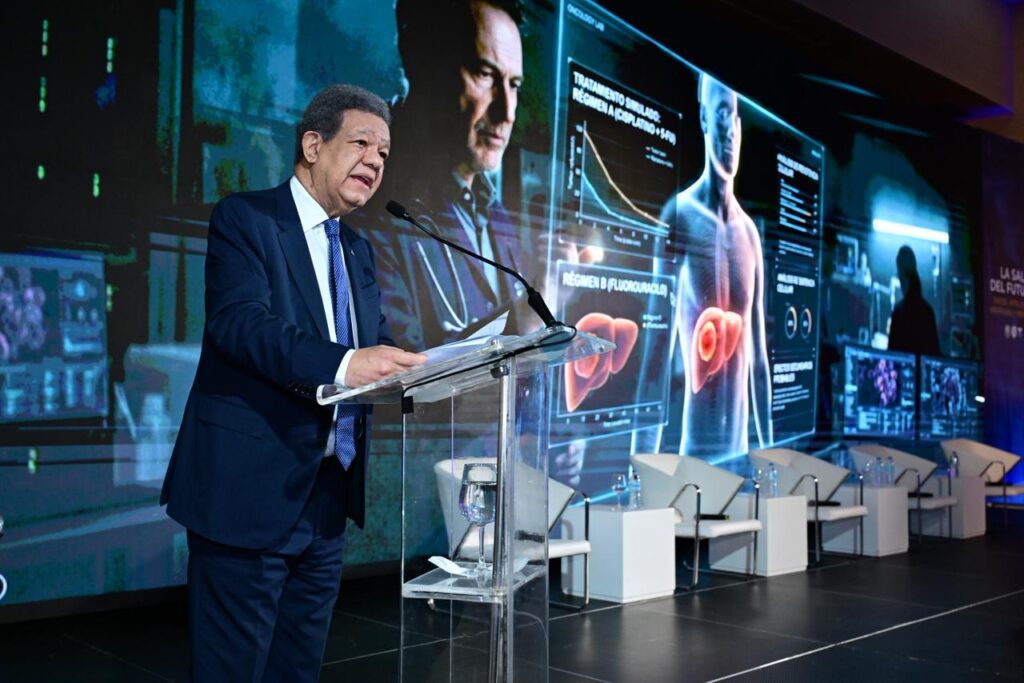

Santiago de los Caballeros, Dominican Republic. – Former President of the Republic and president of the Global Foundation for Democracy and Development (GFDD), Leonel Fernández, stated this Tuesday that artificial intelligence is marking the beginning of a new era in medicine, while calling on the Dominican Republic to become a center of innovation in health and technology in the region.
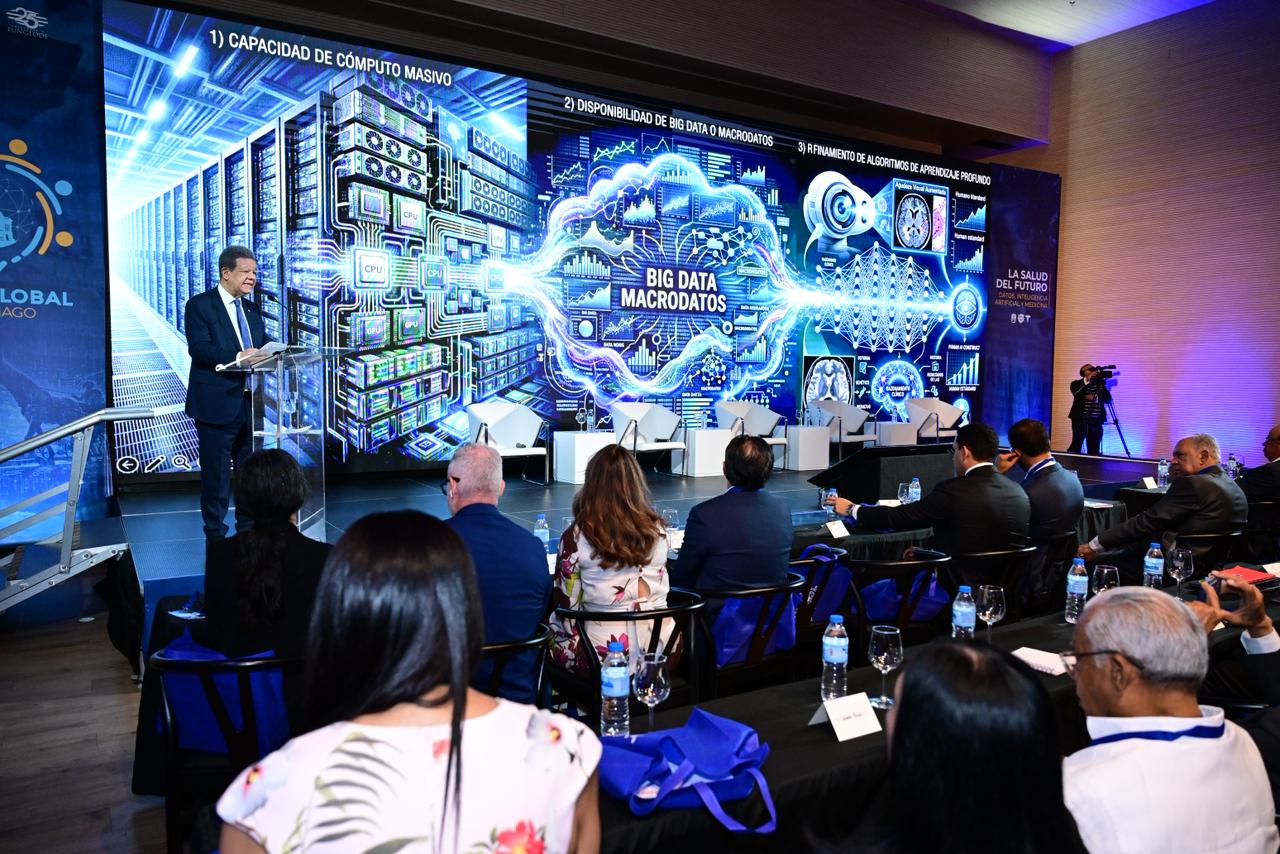
Formally opening the global forum @ Santiago, “The Health of the Future: Data, Artificial Intelligence, and Medicine,” Fernández said that the country stands “at the threshold of a new stage in medicine,” characterized by the intensive use of data, advanced algorithms, and emerging technologies that are transforming clinical practice worldwide.
He explained that artificial intelligence has evolved from its early developments in the 1950s into a key tool for improving diagnostic accuracy, disease prevention, and the personalization of treatments, enabling advances that were unthinkable just decades ago.
In this regard, he highlighted milestones such as the use of machine learning and the analysis of large volumes of data to predict diseases, as well as the development of technologies like AlphaFold, which accelerate the discovery of new drugs, reducing processes that once took years to just weeks.
He also noted that the future of medicine will be shaped by innovations such as patient digital twins, health-applied nanotechnology, organ bioprinting, and hyper-personalized medicine capable of simulating treatments before they are applied.
Fernández proposed that the Dominican Republic should adopt a state strategy based on training talent in areas such as bioinformatics, artificial intelligence, and data science; developing an innovation ecosystem in biotechnology; and establishing international partnerships to attract investment and knowledge.
“The power of nations today lies in their ability to generate knowledge and process data. We cannot be mere consumers of technology; we must become innovators,” he said.
He also advocated for a more inclusive artificial intelligence that helps close gaps in access to healthcare and ensures equal opportunities for all citizens, regardless of their geographic location.
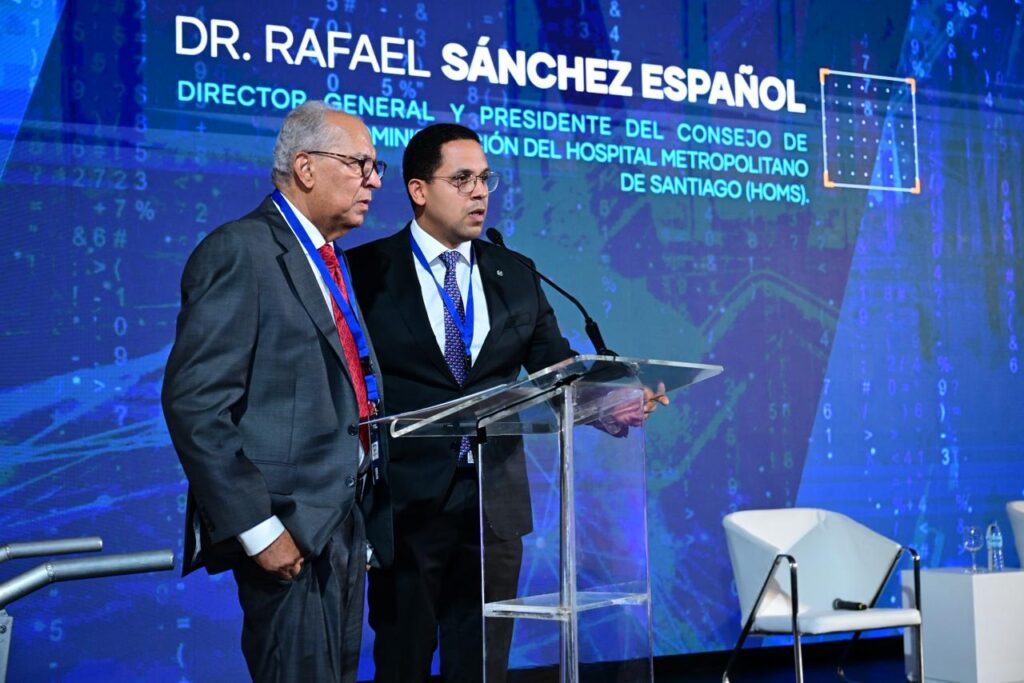
During the welcome remarks, the general director of the Metropolitan Hospital of Santiago (HOMS), Dr. Rafael Sánchez Español, emphasized that it is an honor for the institution to host a forum of this magnitude, focused on the application of artificial intelligence in the field of medicine.
Sánchez Español noted that the development of these technologies has advanced at an impressive pace in recent years, impacting multiple areas—especially the healthcare sector—where tools such as robotics, advanced diagnostic imaging, and telemedicine are raising levels of precision and efficiency in patient care.
The keynote address was delivered by Mark Bünger, a specialist in technological innovation in healthcare, who presented in English under the title “The Health of the Future: Santiago as a Health Tourism Destination in the Age of Artificial Intelligence.” During his presentation, Bünger explained that artificial intelligence is leveling the playing field in the healthcare sector by enabling solutions to be developed in weeks that previously required years and significant investment, reducing costs and democratizing access to advanced technologies.
He pointed out that the growth of health tourism is driven by the aging population in markets such as the United States, Canada, and Puerto Rico, increasing demand for specialized medical services in nearby destinations like the Dominican Republic.
He also highlighted that the integration of artificial intelligence in areas such as medical diagnostics, assisted surgery, and telemedicine is transforming care models, facilitating hybrid approaches that combine healthcare and tourism, and enabling remote patient monitoring before and after procedures.
Bünger stressed that the Dominican Republic has important competitive advantages, such as its strategic location, hospital infrastructure, and human capital, allowing it to position itself as a regional hub if it invests in technological training and the intensive use of health data.
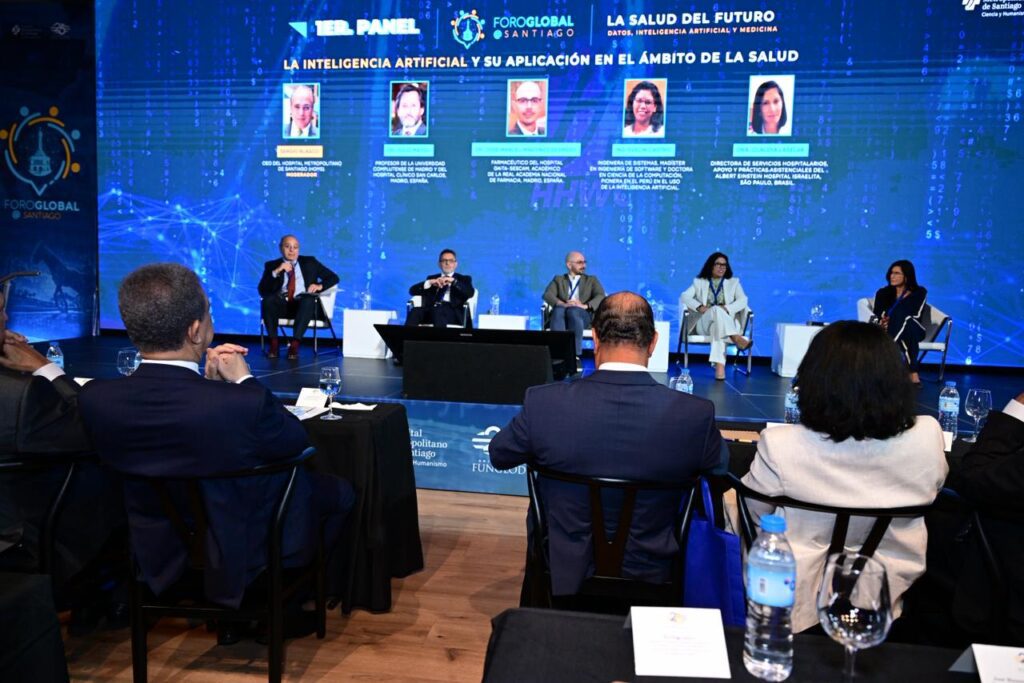
The forum, held at the auditorium of the Residence Inn by Marriott in Santiago, brings together international experts, academics, and leaders in the healthcare sector from the United States, Europe, and Latin America, in a program that includes panels on artificial intelligence applied to medicine, neuroscience, hospital operations, and healthcare risk management.
The event is part of the joint efforts of GFDD and HOMS to promote innovation, knowledge exchange, and the projection of Santiago and the Dominican Republic as a strategic destination in health tourism and medical research.
With this event, Santiago reaffirms its position as a key city in the regional health and technology agenda by hosting a high-level gathering that brings together science, innovation, and development.