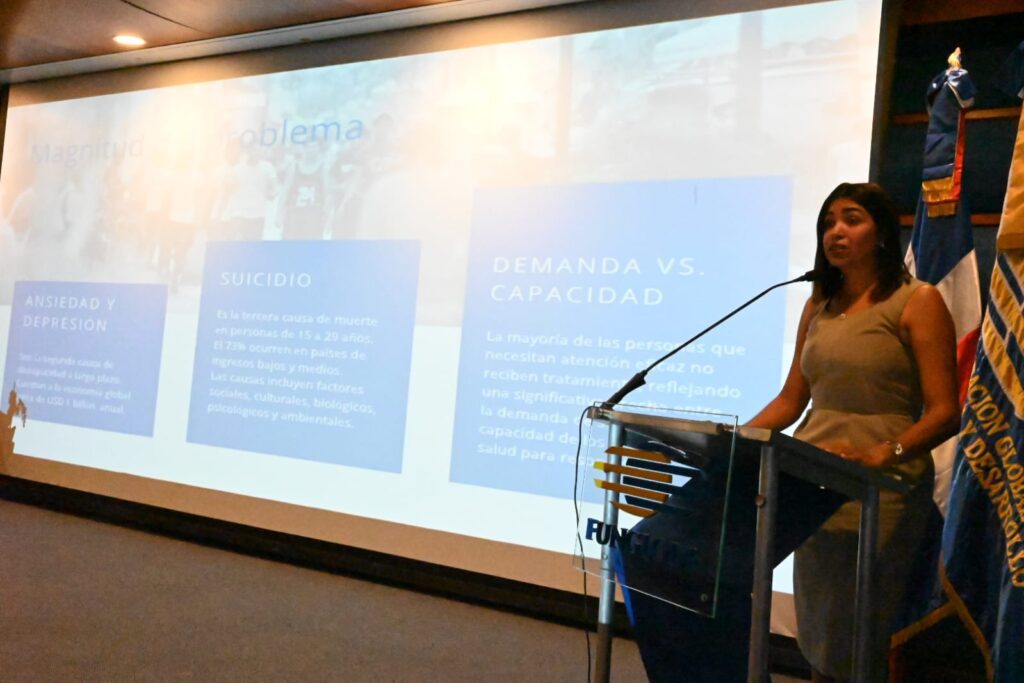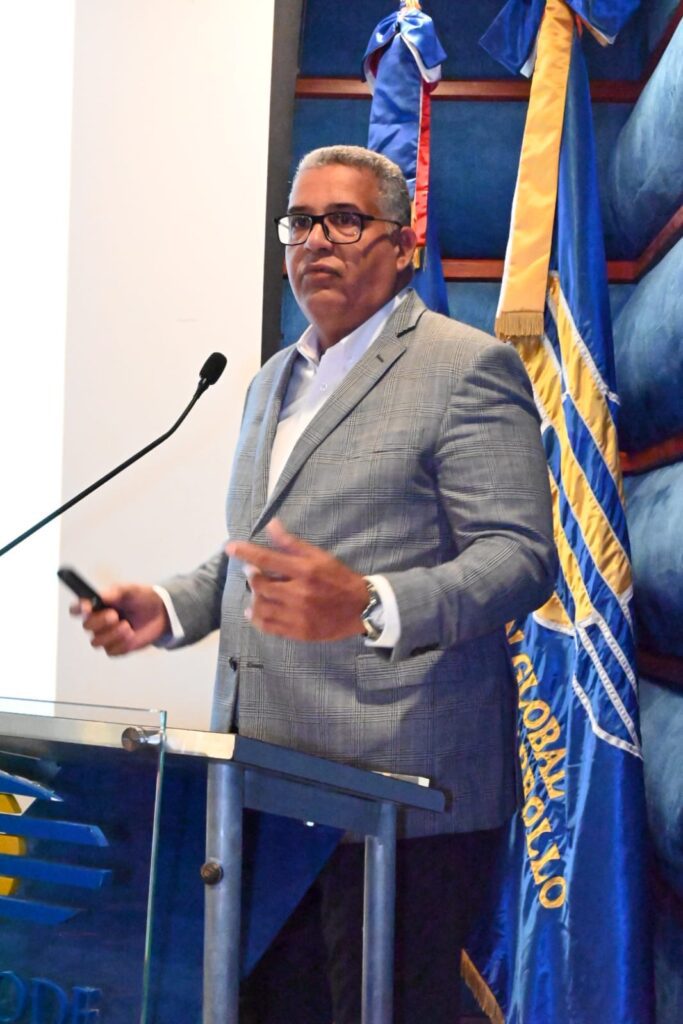

Santo Domingo, Dominican Republic. – The Global Foundation for Democracy and Development (GFDD) held on the evening of Wednesday, March 11, the panel “Current State of Mental Health in the Dominican Republic,” a space for dialogue and reflection that brought together specialists in psychology and psychiatry to analyze the country’s main challenges and opportunities in mental health care and prevention.
The event, held at 7:00 p.m. at GFDD headquarters, was moderated by renowned psychiatrist Fernando Sánchez, former rector of the Universidad Autónoma de Santo Domingo, who highlighted the importance of creating spaces for public conversation about emotional well-being, the prevention of mental disorders, and the strengthening of comprehensive care policies.
During the panel, clinical psychologist Angelina Sosa, who holds a master’s degree in public health, addressed the need to broaden the approach to mental health from a preventive and community-based perspective, emphasizing that the country faces significant challenges in access to specialized services, emotional education, and the reduction of stigma associated with psychological disorders.
For his part, psychiatrist and university professor Carlos De Los Ángeles analyzed the evolution of mental health in the Dominican Republic and the importance of strengthening clinical services, training specialized professionals, and integrating mental health into public health policies.
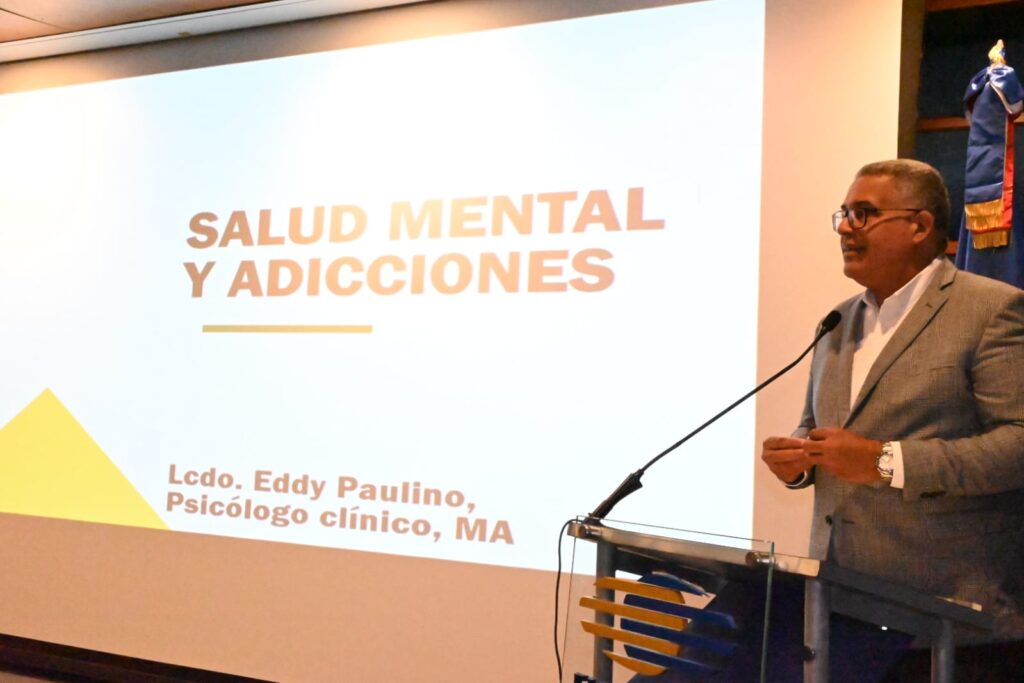
Also participating in the panel was clinical psychologist Eddy Paulino, who focused his presentation on the link between mental health and addiction, noting that substance use is often associated with underlying psychological disorders. Paulino explained that addiction should be understood as a chronic brain disease characterized by compulsive substance use or behaviors despite negative consequences.
The specialist also highlighted the presence of dual diagnosis, a condition in which a person simultaneously presents a substance use disorder and another psychiatric disorder, such as depression, anxiety, or bipolar disorder. He also warned that alcohol remains the most widely consumed substance in the country and often serves as a gateway to other problematic substance use.
During his presentation, Paulino also underscored the impact of addiction on the family environment, noting that effective recovery requires a comprehensive approach that includes medical, psychological, social treatment, and family support.
The meeting allowed specialists to analyze the structural challenges facing the mental health care system in the Dominican Republic, as well as the need to strengthen education, prevention, and coordination among public institutions, healthcare professionals, and civil society.